
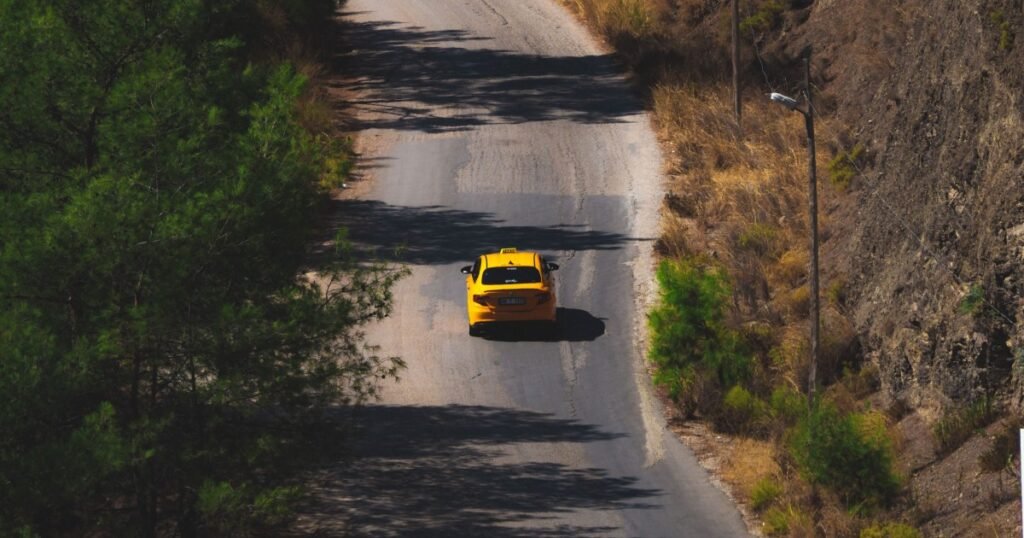
Planning a getaway to the hills brings a wonderful sense of anticipation, yet the comfort and safety of your entire vacation depend heavily on one crucial choice you make before packing your bags. Knowing how to choose the right taxi for a mountain road trip can turn a potentially tiring journey across winding ghats and steep climbs into a smooth, relaxing, and memorable travel experience. Unlike driving on flat city highways, mountain roads demand specialized vehicles, seasoned hill drivers, strong braking systems, and reliable regional support. Whether you are traveling with senior citizens, young children, or a close group of friends, picking the right cab service ensures you spend your time enjoying misty pine valleys rather than worrying about engine strain or sharp hairpin bends.
When travelers plan a holiday in the Kumaon region of Uttarakhand, partnering with an established local operator like Nainital Cab
makes all the difference between an ordinary commute and a truly enjoyable hill tour. Local operators understand sudden mountain weather shifts, seasonal road conditions, and the exact engine performance needed to climb steep gradients smoothly. Instead of depending on random outstation aggregators that send drivers unfamiliar with hill terrain, booking with a dedicated regional cab provider gives you complete peace of mind from the moment you arrive at Kathgodam railway station or Pantnagar airport.
Why Mountain Driving Requires a Completely Different Approach
Driving in the Himalayas is completely different from cruising along wide plain highways. Hill routes feature sharp blind curves, rapid altitude gains, narrow stretches where two vehicles must pass each other carefully, and unpredictable weather changes ranging from bright afternoon sun to dense fog within minutes. A standard city taxi that runs smoothly on flat roads can easily struggle when climbing continuous steep inclines with four adults and heavy luggage in the trunk.
The Mechanics of Uphill Climbs and Downhill Descents
The physical demands of mountain terrain put intense stress on every mechanical part of a car. Climbing uphill tests engine torque, clutch plates, and radiator cooling systems. Coming downhill tests brake pads, suspension balance, and driver restraint. If a driver keeps pressing the foot brake continuously on a long descent, the brake pads can overheat and lose grip, creating a serious safety risk. Experienced drivers use lower gears to control speed naturally on slopes, keeping the ride steady and preventing sudden jerks that cause motion sickness.
Assessing Your Group Size and Luggage Requirements
Before comparing taxi fares or browsing car models, sit down and count the exact number of passengers along with all the bags everyone plans to carry. Mountain vacations require warm jackets, sweaters, extra shoes, and personal gear, which means your luggage volume will be much larger than on a casual weekend trip.
Solo Travelers and Couples
If two or three people are traveling with light backpacks, a clean compact sedan or a well-maintained hatchback works fine for paved main roads. Even for a couple, however, choosing a comfortable sedan with good ground clearance ensures better shock absorption over uneven mountain patches and road repair zones.
Small Families of Four to Five Members
For a family traveling with kids, cabin space and legroom become top priorities. Children need room to stretch during three-hour to four-hour hill transfers, and you need a separate boot space that holds suitcases securely without piling bags onto the seats. A spacious sedan or a mid-size multi-purpose vehicle fits this requirement comfortably.
Large Families and Friend Groups
When six or more people travel together, booking two separate small cars often splits the group fun and doubles your toll taxes and parking charges. Choosing a seven-seater SUV or a spacious tempo traveler keeps everyone in one vehicle, gives passengers higher seating positions for panoramic valley views, and provides roof carriers or deep luggage space for everyone.
Matching the Vehicle Type to Your Hill Route
Every mountain route has its own road profile. Some circuits feature wide, smooth highways, while others lead to secluded hilltop viewpoints with steep climbs and rocky patches. Matching your cab category to your specific itinerary guarantees a smooth ride.
Hatchbacks for Short Local Transfers
Cars like the WagonR or Swift are budget-friendly and easy to maneuver through narrow hill town markets. They work well for short point-to-point drops, solo travelers, or couples with minimal luggage sticking to main town roads. Keep in mind that on steep inclines with a full load, smaller engines may need the air conditioning switched off to maintain steady pulling power.
Sedans for Highway and Hill Comfort
Models such as the Swift Dzire or Toyota Etios strike a practical balance between fuel economy, comfortable suspension, and a dedicated luggage boot. They glide smoothly over well-paved mountain highways and comfortably accommodate up to four travelers. If your itinerary focuses on popular town sightseeing and smooth road stretches, a sedan is a smart and economical option.
Multi-Purpose Vehicles and SUVs for Ultimate Stability
For superior mountain performance, vehicles like the Maruti Ertiga, Toyota Innova, and Innova Crysta stand apart from smaller cars. Rear-wheel-drive systems in larger SUVs deliver strong traction when climbing steep slopes, especially during rainy or winter weather. Their wider stance reduces side-to-side swaying on sharp curves, which directly lowers the risk of travel sickness. Higher ground clearance also shields the underbody from rough stones, deep potholes, and tall speed breakers.
When to Upgrade from a Sedan to an SUV
Consider upgrading to an SUV whenever your itinerary includes high-altitude ridges, monsoon travel, elderly family members who need easy entry and exit, or more than three large suitcases. The extra stability and cabin comfort easily justify the modest difference in daily rental cost.
The Crucial Role of an Experienced Hill Driver
Even the most powerful SUV on the market is only as safe as the person sitting behind the steering wheel. Mountain driving is a specialized craft developed over years of navigating narrow passes, judging oncoming traffic around blind corners, and knowing exactly when to stop and give way.
Hill Driving Etiquette and Safety Habits
A seasoned hill driver follows strict mountain road discipline. They sound the horn gently before blind turns, stay firmly inside their own lane on curves, avoid risky overtaking on uphill bends, and rely on engine braking rather than constant foot braking on steep descents.
Local Route Knowledge Beyond Digital Maps
Beyond technical driving skill, a local driver acts as an invaluable travel companion. They know which roadside eatery serves fresh, hygienic meals, where clean restrooms are located along remote forest stretches, and what time to leave a viewpoint to avoid afternoon fog or evening market traffic.
Why Local Expertise Matters for Your Trip
When you arrange your travel with Nainital Cab
, you travel with drivers who live and drive in these hills every single day. Their deep familiarity with every hairpin bend, seasonal weather pattern, and local route keeps your journey relaxed and punctual.
Key Mechanical Checks Before Starting Your Journey
A dependable cab company inspects every car thoroughly before sending it on a mountain assignment, yet knowing what to look for gives you added confidence as a passenger.
Tire Tread and Road Grip
Bald or worn tires lose traction quickly on damp or steep hill roads. Deep, healthy tire treads ensure strong grip during sudden braking and prevent slipping on morning dew or light mountain drizzle.
Braking System and Clutch Health
Crisp brakes and a responsive, non-slipping clutch are essential for steep climbs. A worn clutch can overheat and fail halfway up a steep gradient, causing major delays in remote areas.
Headlights and Fog Lamps
Mountain weather shifts fast, and thick mist or low clouds can drop visibility to just a few meters even during daytime. Strong headlights and working yellow fog lamps are vital for safe driving through misty stretches.
Cabin Heater and Air Conditioning
While heavy cooling is rarely needed at high elevations, a properly working cabin heater is essential during chilly mornings, late evening drives, and winter holidays. During warm summer afternoons in the foothills, effective air conditioning keeps the cabin pleasant before you reach cooler heights.
Planning Your Itinerary Around Popular Hill Circuits
Selecting the right taxi also depends on how many destinations you plan to explore each day. Distances in the mountains look deceptively short on mobile maps, where thirty kilometers might appear to take forty minutes, yet on winding hill roads, that same stretch easily takes ninety minutes or longer.
Exploring Local Town Attractions
When spending a full day visiting local viewpoints, temples, caves, and gardens inside a busy hill town, narrow lanes and limited parking spots become your main challenge. Booking a dedicated local sightseeing package like the Nainital Darshan
tour provides a nimble vehicle and a driver who knows exact drop-off zones and parking areas near popular spots like Snow View Point, Cave Garden, and Tiffin Top.
Covering Scenic Lake Circuits
The Kumaon hills are famous for a chain of tranquil lakes nestled across neighboring valleys. Traveling between these lakes involves continuous climbs and descents along forested roads. Choosing a structured Lake Tour One Day
lets you explore Bhimtal, Sattal, Naukuchiatal, and Khurpatal smoothly in one cab without bargaining for separate local rides at every destination.
Venturing to High-Altitude Orchard Towns
Higher-altitude hill towns feature steeper gradients, narrower ridge roads, and crisper temperatures. If your holiday includes peaceful fruit orchards, sweeping Himalayan views, and cliffside viewpoints, booking a dedicated Mukteshwar Tour
in a high-torque car ensures effortless climbing along the scenic Bhowali and Ramgarh route.
Taking Heritage and Cantonment Road Trips
Longer day trips toward quiet pine forests, historic temples, and sprawling meadows require steady highway comfort so travelers feel fresh rather than tired by evening. A well-organized Ranikhet Tour One Day
is best enjoyed in a roomy sedan or SUV where you can sit back and admire the winding Kosi river valley throughout the drive.
Understanding Taxi Pricing and Avoiding Hidden Charges
Clear, honest pricing is one of the best signs of a trustworthy taxi operator. Many travelers make the mistake of picking the lowest online quote they spot, only to face unexpected arguments mid-trip over extra fees.
What a Fair Quote Should Include
Always request a complete written or clear verbal breakdown of your cab fare before confirming your booking. Verify whether the quoted amount covers fuel expenses, driver daily allowance, state entry taxes, highway tolls, and parking fees. For multi-day tours, check the daily kilometer limit and the extra per-kilometer rate if you add unplanned detours.
Point-to-Point Transfers vs Full-Day Packages
If you only need a direct drop from Kathgodam railway station to your hotel, a one-way transfer is simple and budget-friendly. However, if you want to stop at scenic viewpoints, waterfalls, or temples along the route, booking a full-day disposal taxi gives you complete freedom to pause for photos, tea breaks, and meals at your own pace.
Seasonal Rate Variations
Busy holiday months such as May, June, October, and the last week of December bring high demand for mountain cabs. Reserving your vehicle at least two to three weeks ahead during peak seasons helps you lock in standard rates and secure your exact preferred car model.
Tip for Multi-Day Outstation Bookings
When booking a cab for three or more days across multiple hill towns, ask your operator for a consolidated package rate. Bundled packages usually work out more economical than paying separate daily charges plus individual toll receipts.
Preventing Motion Sickness on Winding Roads
Even travelers who never feel sick on city highways can experience dizziness or nausea on curvy mountain routes. Your choice of cab and where you sit inside it play a major role in preventing travel sickness.
Choose Vehicles with Stiff, Balanced Suspension
Vehicles with soft, bouncy suspension lean heavily into sharp corners, which confuses the inner ear and triggers nausea. Sturdy sedans and well-balanced SUVs like the Toyota Innova stay planted on curves and minimize body roll.
Sit in the Front or Middle Row
The third-row bench in any large vehicle feels the strongest vertical bounce and sideways sway on hairpin bends. Anyone prone to motion sickness should sit in the front passenger seat or the middle row where they can look straight ahead at the road.
Keep Windows Slightly Open for Fresh Air
Closed cabins with strong artificial air fresheners often worsen travel nausea. Lowering a window slightly to let cool, crisp mountain air flow through keeps everyone comfortable. You can also ask your driver to keep a smooth, steady speed around bends rather than braking and accelerating abruptly.
How to Verify a Reliable Local Taxi Operator
With countless websites and phone numbers appearing online, knowing how to distinguish genuine regional operators from unverified middlemen protects your vacation from last-minute cancellations.
Check Physical Office Presence and Local Roots
A genuine taxi provider operates from an established physical office in the hill region they serve. You can verify their exact office address, location, and local presence through their official profile on Google Maps
before sending any booking advance. Having a local base also guarantees quick backup support if a vehicle ever needs mechanical attention.
Look for Direct Communication
Talk directly with the travel desk over a phone call before finalizing your cab. Pay attention to how clearly they explain road conditions, realistic travel durations, and suitable car options. Reliable operators give honest time estimates and recommend the right vehicle for your group size rather than pushing an undersized car just to win a booking.
Confirm Vehicle Registration and Commercial Permits
Always verify that your booked cab carries valid commercial yellow-plate registration along with proper Uttarakhand hill driving permits. Private white-plate vehicles operating illegally as taxis lack commercial passenger insurance and risk being detained at police checkpoints, which can disrupt your entire holiday.
Essential Packing and Preparation Tips for Your Cab Journey
Once you have reserved the right taxi, a few practical preparation habits make your road trip even smoother for both your family and your driver.
Keep a Day Bag Inside the Cabin
Keep motion sickness medicine, basic first-aid items, wet wipes, hand sanitizer, light woolens, sunglasses, and water bottles in a small daypack right next to you inside the cabin. This avoids having to stop the car and open the main trunk every time someone needs a jacket or a snack.
Download Offline Maps and Entertainment
Cellular reception often drops in deep valleys and thick forest corridors. Save offline maps of your travel route on your phone before starting, and download music playlists or audiobooks so you can enjoy the drive even without mobile data.
Start Early in the Morning
Beginning your mountain drive early in the morning offers several clear benefits. Highway traffic is minimal, morning sunlight illuminates snow peaks clearly for photography, and you reach your hotel comfortably before afternoon mist or evening cold settles over the hills.
Respect the Hills and Your Driver
A memorable mountain road trip thrives on mutual respect between visitors, nature, and the local professionals who make your journey safe. Keep a small disposable bag inside the cab for wrappers and empty bottles instead of littering along scenic roads. Maintain a flexible mindset in case mountain weather or road maintenance causes minor delays. Treating your driver with warmth and ensuring they get proper meal and rest breaks on long drives encourages them to share local insights and take you to peaceful viewpoints away from busy tourist spots.
Choosing the right taxi turns mountain travel from a tiring necessity into one of the highlights of your vacation. When your cab offers strong climbing power, generous luggage space, clean interiors, and a skilled local hill driver at the wheel, every turn on the mountain road opens up a fresh, breathtaking view.
If you are ready to plan a safe, comfortable, and well-organized hill holiday in Uttarakhand with reliable vehicles and experienced local drivers, connect with our travel desk today. Call us at +91 8445566404 or email us at info@nainitalcab.com to discuss your travel dates and receive a clear, customized quote for your trip.
Frequently Asked Questions About Choosing a Taxi for a Mountain Road Trip
Which car is best for a mountain road trip in Uttarakhand?
For small families of up to four travelers with moderate luggage, a well-maintained sedan such as the Swift Dzire or Toyota Etios performs smoothly on paved mountain highways. For larger groups, steep high-altitude routes, or maximum ride stability on winding roads, a multi-purpose vehicle or SUV like the Maruti Ertiga, Toyota Innova, or Innova Crysta is the top choice thanks to stronger engine torque, higher ground clearance, and superior suspension control.
Is an SUV necessary for driving to hill stations like Nainital and Mukteshwar?
An SUV is not strictly mandatory for main paved roads leading to Nainital or Mukteshwar, since sedans and hatchbacks cover these routes daily. However, an SUV gives you clear advantages including better shock absorption over rough road patches, effortless pulling power on steep slopes when fully loaded with passengers and suitcases, and noticeably less body roll around sharp hairpin curves.
Why should I hire a local hill driver instead of a driver from the plains?
Mountain driving demands specialized habits such as shifting to lower gears on steep descents to prevent brake fade, judging blind turns accurately, and navigating narrow hill roads safely. Local hill drivers drive on these routes every day, understand rapid mountain weather changes, and know exact parking zones and local shortcuts, making your entire journey much safer and smoother.
How much luggage can fit in a sedan vs an SUV for a hill trip?
A standard compact sedan easily holds two medium suitcases and two small backpacks inside its trunk. If you are traveling with four adults carrying heavy winter luggage, an SUV like the Innova equipped with a roof carrier or foldable rear seats is far better suited so bags do not crowd the passenger seating area.
How can I avoid motion sickness during a cab ride in the hills?
To prevent motion sickness on winding mountain roads, pick a sturdy vehicle with balanced suspension, sit in the front seat or the middle row rather than the rear-most bench, keep your gaze on the distant horizon instead of reading or looking at a phone screen, and keep a window slightly open for fresh mountain air.
Are toll taxes, parking fees, and driver allowances included in taxi packages?
Inclusions depend on the type of booking you select. Point-to-point railway station or airport transfers generally cover fuel and driver charges while tolls and parking are paid as per actuals. Multi-day tour packages typically bundle fuel, driver allowance, state taxes, and highway tolls together. Always confirm the exact cost breakdown before finalizing your taxi reservation.
How early should I book a taxi for a peak season mountain vacation?
During busy tourist months like May, June, October, and the Christmas to New Year holiday week, good vehicles get booked out fast. Reserving your cab at least two to three weeks in advance guarantees your preferred vehicle model, an experienced local driver, and standard seasonal pricing without last-minute surge charges.
Can I customize my sightseeing stops during a full-day hill cab booking?
Yes, booking a dedicated private cab for local sightseeing or full-day outstation excursions gives you complete control over your schedule. You can spend extra time at viewpoints you enjoy, stop for lunch at restaurants of your choice, and travel at a relaxed pace with your driver.